Bank of England raises interest rate to 4%: who is affected?
Bank Rate rises from 3.75% to 4% on 5 November. What the decision means for tracker mortgages, fixed deals and savings, and why energy prices matter.
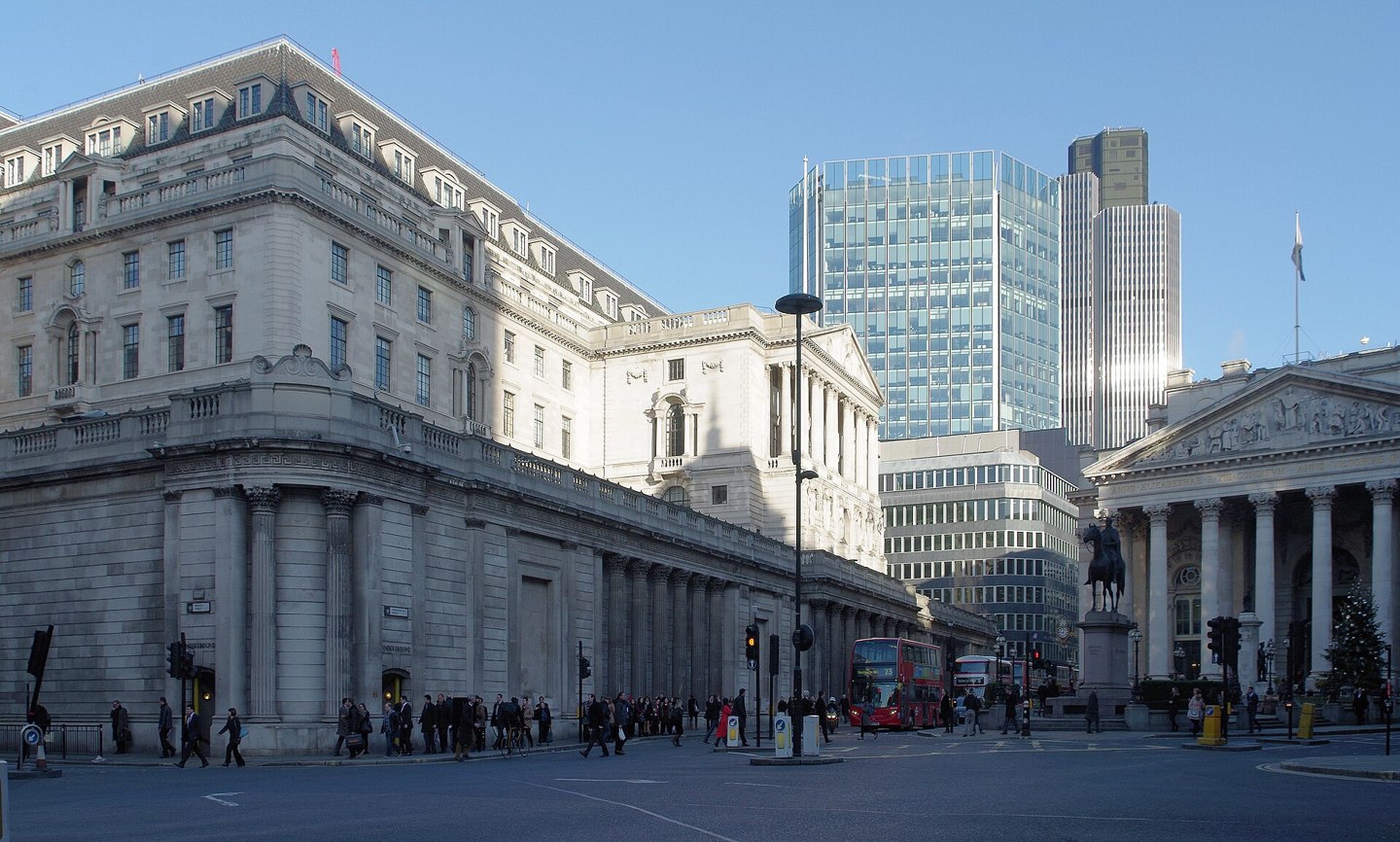
The Bank of England raised Bank Rate from 3.75% to 4% on Thursday 5 November, ending its run of unchanged decisions. The move puts borrowing costs back in focus for households facing mortgage renewals and for savers comparing returns.
What the Bank decided
Eight members of the Monetary Policy Committee backed a quarter-point rise; the ninth wanted a larger increase to 4.25%. All supported an increase, but they did not agree on its size. The Bank cited higher energy prices and the risk that inflation would spread through firms’ prices and wages. September inflation was 3.5%, above its 2% target.
Mortgages: the contract makes the difference
A tracker tied to Bank Rate normally moves with it under the terms of the loan. A mortgage already fixed for a set period does not automatically change because of today’s decision; the issue arises when that deal ends or the borrower chooses to refinance. Lenders set standard variable rates themselves. A quarter-point increase in Bank Rate is therefore not a promise that every mortgage payment rises by the same amount.
Savings and the next decision
Savings providers can change variable rates, but an increase is not automatic or necessarily immediate. Compare the actual account rate and access restrictions rather than assuming a Bank Rate rise has already reached your account. The next scheduled policy decision is 17 December. The Bank says its future decisions depend on the evidence, rather than a predetermined sequence of rises.
Sources & verification
Sources checked: 5 November 2026


