Dairy vs plant milk: what the iodine study actually shows
A UK modelling study examines iodine and other nutrients when dairy is replaced. Fortification matters; it did not diagnose deficiencies in consumers.
A UK study has put plant-based milk and dairy nutrition back in the spotlight. Published on 4 November, the research models how replacing dairy products could change nutrient intake. Its central finding concerns fortification, rather than a clinical finding that every dairy alternative causes harm.
What the researchers modelled
The Surrey and Queen’s University Belfast team used National Diet and Nutrition Survey data from more than 3,500 people. They simulated replacing milk, yoghurt and cheese with equal weights of commercially available plant-based alternatives, examining iodine, calcium, riboflavin and vitamin B12.
Why iodine stands out
Under the model’s existing-market assumptions, replacing 20–35% of dairy raised estimated inadequate iodine intake among adolescent girls from 54% to 65%. These percentages describe modelled intake below a reference threshold. They are not the proportion of participants diagnosed with an iodine deficiency after changing their diet.
Fortification changes the outcome
The researchers also tested adding nutrients to alternatives and iodine to bread. These policy scenarios reduced the predicted shortfalls. The study therefore distinguishes unfortified substitutes from products with added nutrients; it does not establish that all plant-based drinks are nutritionally identical.
The limits behind the headline
Independent specialists commenting through the Science Media Centre stress that this is a statistical exercise. Product choice, changes elsewhere in the diet and the accuracy of food-survey reporting affect its estimates. It did not follow people through a dietary switch or demonstrate subsequent illness. The question it raises for food policy is how nutritional safeguards should accompany changes in what people eat.
About the photograph
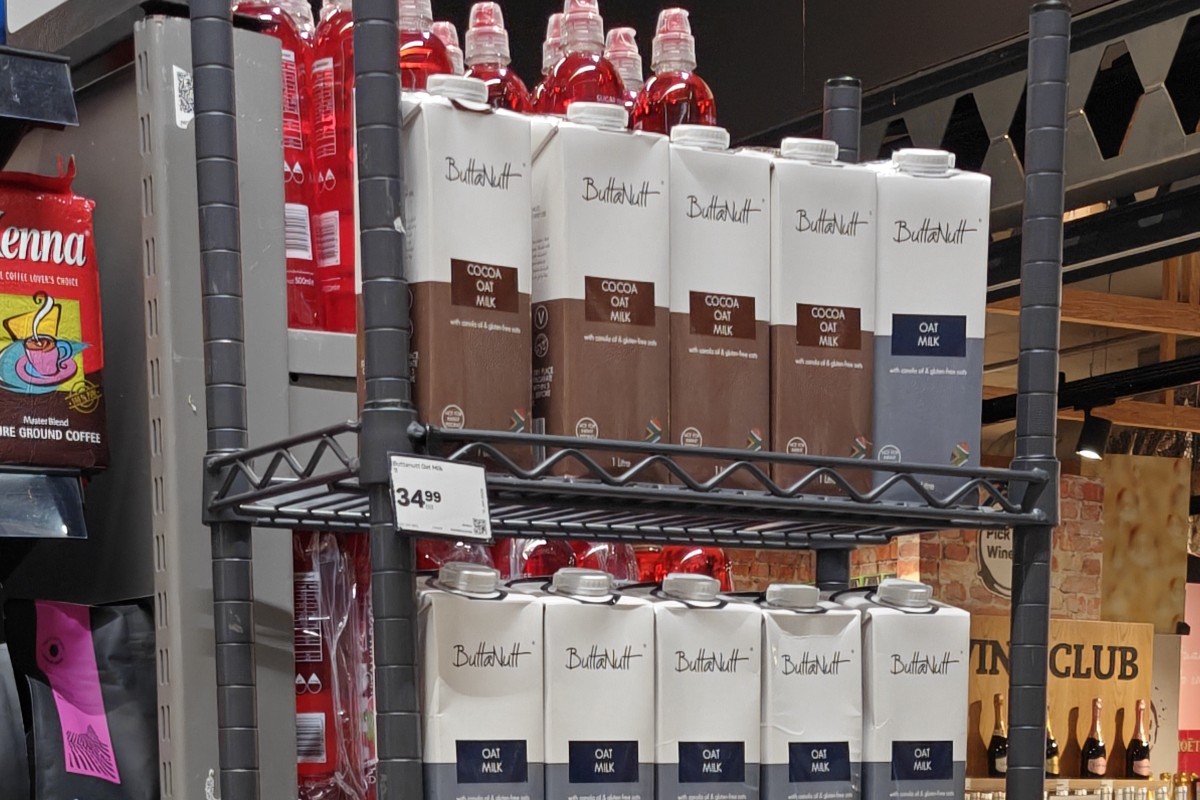
The archive photograph shows plant-based drinks in a Cape Town supermarket on 7 February 2026. It illustrates the product category, not the UK products analysed or a claim about the pictured brands.
Sources & verification
Sources checked: 5 November 2026