El Niño warning: UN releases emergency funds as hunger risks rise
A new forecast points to exceptional Pacific warming. The UN aid chief says preparation in the next two weeks could limit the human cost.
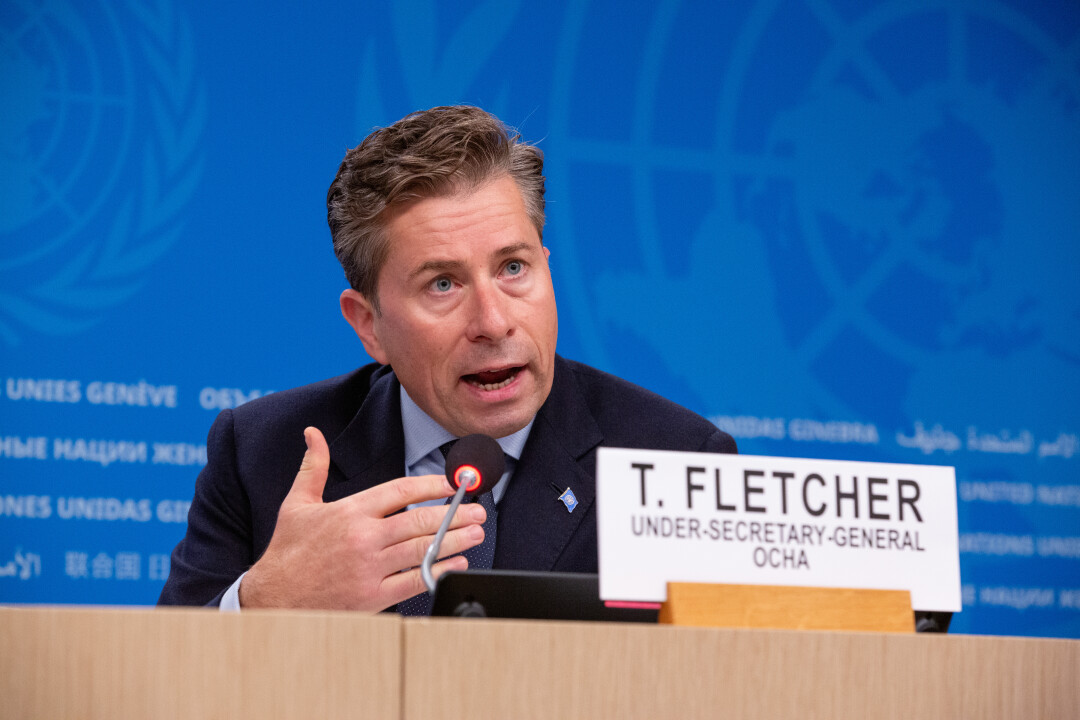
The United Nations has released more than $50 million from its emergency fund to help 11 countries prepare for El Niño, aid chief Tom Fletcher announced in Geneva on 21 October. His warning: the weather pattern could increase hunger for around 50 million people. The coming two weeks are critical for preparations, he said.
The forecast behind the warning
World Meteorological Organization chief Celeste Saulo said a new seasonal outlook indicates tropical Pacific sea-surface temperatures could reach 3.8°C above average between November 2026 and January 2027. The event could exceed the strength represented in four decades of monitoring, she said. That figure concerns a Pacific ocean temperature anomaly, not a 3.8°C rise in global air temperature.
Different regions, different threats
Wetter conditions raise flood concerns in parts of East Africa. Southern Africa faces greater risks to crops, water and livestock from dry conditions. Heat and rainfall deficits threaten parts of Southeast Asia. These are seasonal probabilities: they do not predict the date or location of an individual flood, fire or drought.
What the emergency money can change
Fletcher identified Chad, El Salvador, Ethiopia, Somalia and South Sudan among the recipients. He called for supplies and funding before heavy rain in the Horn of Africa, and seeds and livestock protection in southern Africa. The practical question is whether help arrives before losses mount. Early forecasts give agencies time to act; they do not make a humanitarian disaster inevitable.
Sources & verification
Sources checked: 21 October 2026


