HMS Tyne and Russian ships: what the new Navy report reveals
A Royal Navy report published on 2 November details three monitoring operations. The encounters took place in September and October, not today.
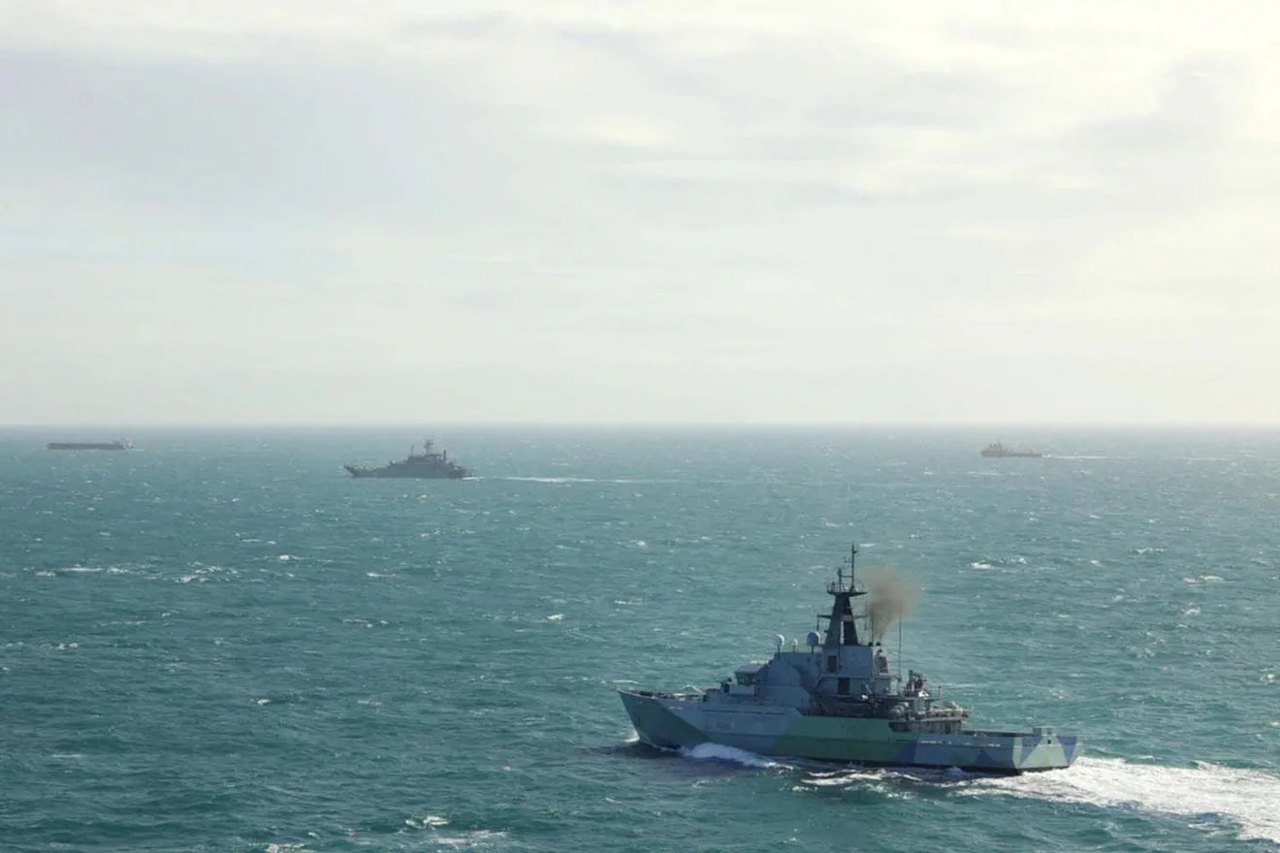
A newly published Royal Navy account puts HMS Tyne, HMS Dauntless and naval helicopters at the centre of three operations monitoring Russian ships near Britain. The report, released on 2 November, describes activity across 17 days in late September and the first half of October. It is a fresh account of completed operations, rather than an announcement of a new confrontation today.
Which ships were monitored?
According to the Navy, Tyne and Dauntless tracked the Russian frigate Neustrashimy between 1 and 14 October while it accompanied cargo ships through the English Channel. After handing responsibility to Dauntless, Tyne monitored the landing ship Aleksandr Shabalin between 11 and 14 October. That group included the cargo ship Energy-2 and tug Proton.
The separate intelligence-ship operation
Merlin helicopters deployed from RNAS Culdrose to Glasgow Prestwick for Operation Iceblast. The Navy says they tracked the intelligence-gathering vessel Viktor Leonov around the Outer Hebrides from 29 September to 8 October, while NATO ships were involved in Exercise Strike Warrior off Scotland. The report describes more than 2,000 personnel from six countries taking part in that exercise.
What the report establishes—and what it does not
The account identifies the ships, units and operating periods reported by the British military. Its description of Russian activity is the Navy’s account; it is not an independent verification of every vessel’s purpose. Monitoring and interception in this context should not be read as evidence of a battle, a seizure or a newly announced attack.
Why the dates matter
Readers searching for HMS Tyne or Russian spy ships may encounter images alongside a new publication date. The photographs accompanying this report were taken during the operations themselves. Our English header shows Tyne and the Russian group on 13 October; it is not a photograph taken on 3 November. The distinction keeps the new disclosure separate from the earlier activity it documents.
Sources & verification
Sources checked: 3 November 2026