Home Office facial recognition: immigration rules explained
New police safeguards were announced on 4 November. Immigration guidance separately covers civil enforcement, watchlists and human checks.
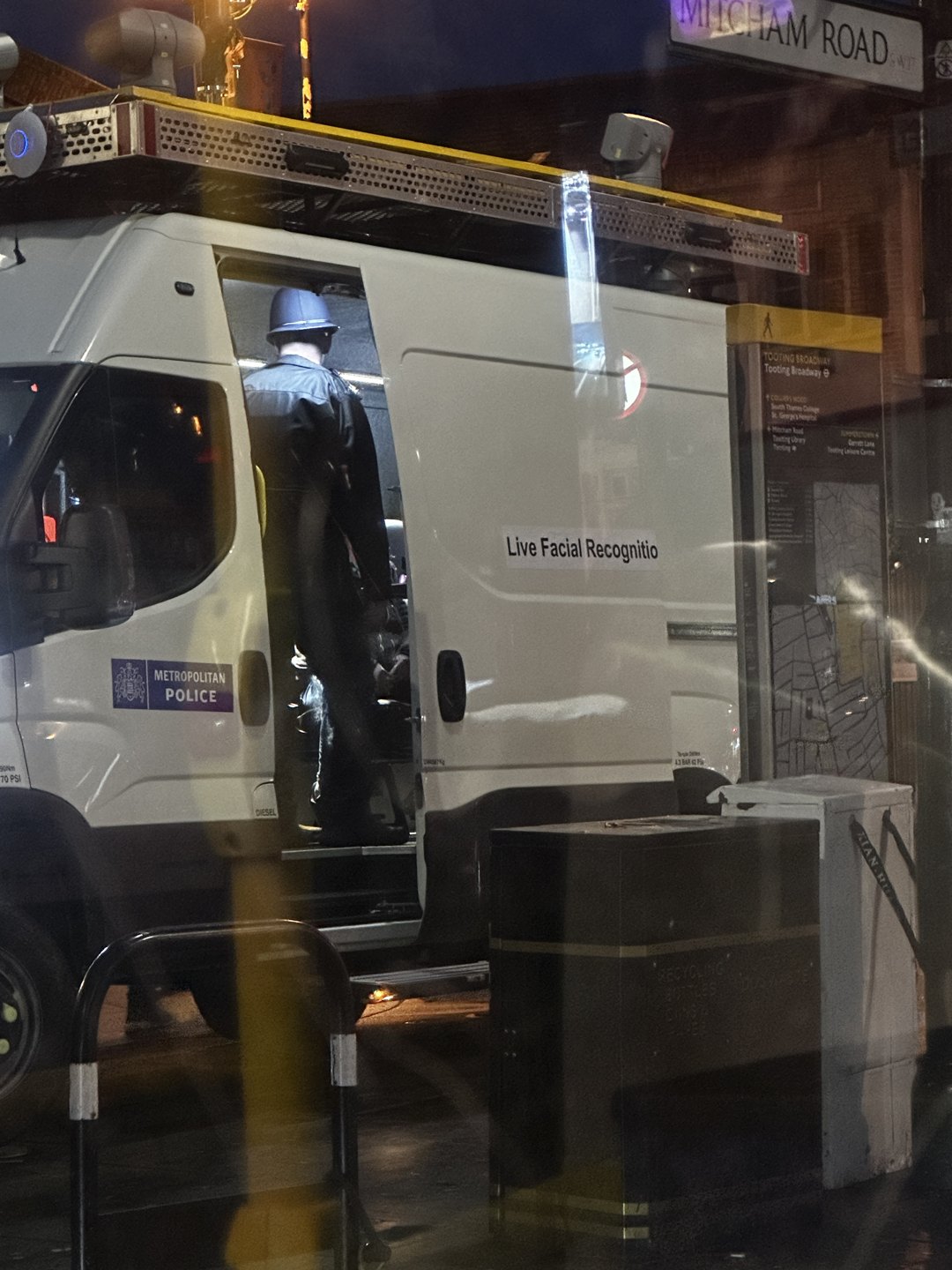
The Home Office announced plans for a new facial-recognition watchdog and clearer police rules on 4 November, as renewed reporting put its immigration use under scrutiny. The two issues overlap, but the police announcement and Immigration Enforcement’s existing policy are different documents. Neither should be read as permission for unrestricted scanning of everyone.
What the immigration policy actually covers
The policy, updated on 8 October, allows overt live facial recognition to locate people sought for specific immigration or criminal-enforcement purposes. Its categories include people facing deportation orders, immigration-related court warrants and active removal action. Administrative immigration action is explicitly covered; inclusion does not necessarily mean that a person has been convicted of a crime.
An alert is a possible match
Cameras compare faces with an authorised watchlist. A trained operator reviews a possible match and officers make further checks before deciding what to do. The guidance requires justification of necessity and proportionality, including why less intrusive methods would not meet the objective. It rules out speculative monitoring and adding someone merely because of association with another person.
What is newly proposed for police
The 4 November announcement promises independent oversight, testing for discriminatory effects and a legal code of practice. The proposed regulator could seek court action to stop non-compliant use. These are announced safeguards; the announcement does not establish that all the proposed legislation is already in force.
The dates and limits matter
The immigration guidance predates this week’s reporting. A new report about an existing policy is not proof that every railway station now has the cameras or that every passer-by is on a watchlist. Our photograph shows a real Metropolitan Police facial-recognition van in February 2024; it does not depict a new immigration deployment.
Sources & verification
Sources checked: 5 November 2026