Nissan tests pineapple-leaf fibre for car body panels
Announced on 17 November, the composite is being presented for specialist bodywork. Environmental and strength claims need careful context.
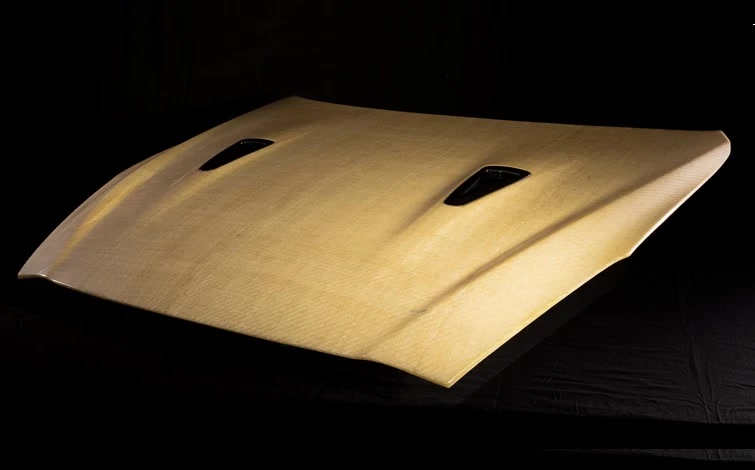
A bonnet made with agricultural fibres
Nissan and Okinawa-based FOOD REBORN announced an exterior body-panel composite using pineapple-leaf fibres on 17 November. Their planned display at the SAMPE materials exhibition in Tokyo runs from 18 to 20 November. This is a materials-development announcement, rather than a new production car being launched on 20 November.
The material is still a composite
The fibres reinforce plastic; the result is not a car panel made solely from leaves. Nissan describes turning the fibres into flat yarn and woven fabric before incorporating resin. The company is licensing manufacturing know-how to FOOD REBORN, potentially creating another source for specialist composite bodywork rather than restricting it to Nissan vehicles.
Why motorsport is an initial target
Nissan links the project to demand for sustainable natural-fibre bodywork in production-based racing categories. Motor1 and Drivers Division report the development as a possible response to scarce and expensive specialist supply. Neither report establishes that a named racing team has already adopted the panel, and the announcement gives no road-car introduction date, retail price or production volume.
What the environmental claims do not establish
The automaker calls the technology a world first and says its tensile strength exceeds conventional flax-based materials, based on internal testing. No numerical test comparison is supplied in the release. Using agricultural leftovers may create value from an underused resource, but it does not establish the panel’s complete environmental footprint. Motor1 notes that no lifecycle assessment or quantified carbon-footprint figure has been published. The useful development is a new candidate material and manufacturing route; broader claims about emissions, cost and durability still need supporting evidence.
Sources & verification
Sources checked: 20 November 2026