Christine Lagarde leaves ECB: date and succession explained
Christine Lagarde will leave the ECB on 7 February 2027. The confirmed date opens a succession process; it does not name her replacement.
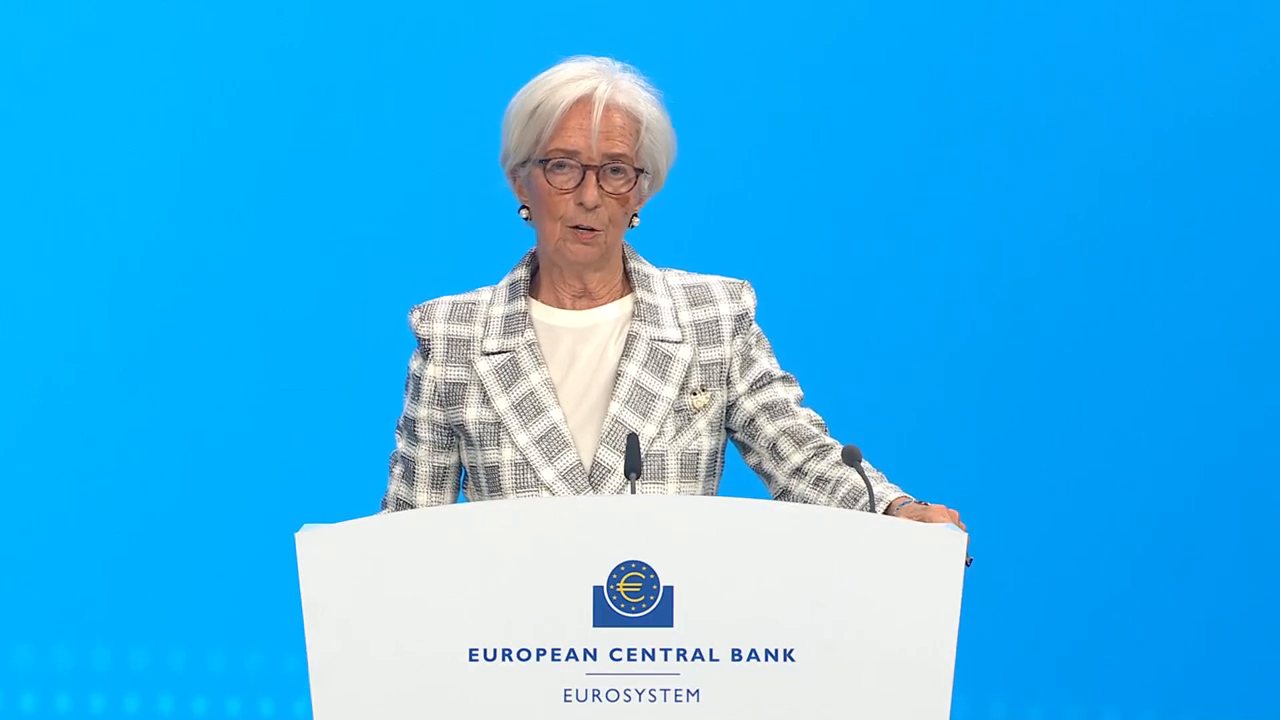
Christine Lagarde will leave the European Central Bank on 7 February 2027, the ECB announced on Thursday. The important distinction is timing: this is an announced future departure, not an immediate vacancy. No successor was named in the statement.
30 October update: why she wants freedom to speak
At her 29 October press conference, Lagarde said she wanted greater freedom to speak and engage on matters beyond monetary policy, Le Monde and Econostream report. This adds her stated explanation to the confirmed departure date of 7 February 2027. It does not announce a French presidential candidacy or name a successor. Her remarks and the formal appointment process are separate from speculation about who benefits politically from the timing.
What has actually been confirmed?
The ECB says Lagarde informed its Governing Council and European Council President António Costa of her decision on 29 October. The bank’s short announcement confirms the departure date and the appointment route. It does not establish that a particular candidate has secured the job.
Who chooses the next ECB president?
The European Council makes the appointment through the treaty procedure. Euro-area countries propose candidates, the Eurogroup discusses them and the Council makes a recommendation. Consultation with the European Parliament and the ECB’s Governing Council forms part of the process. A name mentioned by market commentators is therefore not an appointment.
Why the transition matters
The presidency helps communicate collective monetary-policy decisions. A leadership change can attract attention to the institution’s future direction, but the announcement alone does not change a household’s mortgage contract or determine the next interest-rate decision. Those are separate questions requiring the actual policy statement and lending terms.
Announcement versus speculation
The Banque de France’s governor publicly acknowledged the February departure and paid tribute to Lagarde’s tenure. That corroborates the transition timetable. Claims about a future political role or the motives of other leaders need separate evidence; they should not be inferred from the departure date.
What to watch next
The next verifiable milestones are a formal recommendation, the required consultations and a European Council appointment. Until then, the useful question is how the process advances, rather than which rumoured contender has supposedly won. This report follows the 29 October announcement; earlier speculation is not presented as a new decision.
Sources & verification
Sources checked: 30 October 2026