London Ambulance critical incident: 999 and 111 explained
The capital’s ambulance service reports three days above 7,000 emergency calls. Life-threatening emergencies should still go to 999.
Three days of pressure
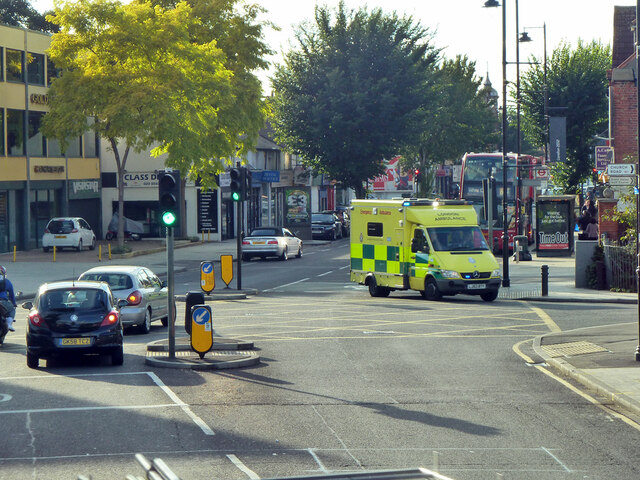
London Ambulance Service has declared a critical incident after receiving more than 7,000 emergency calls a day for three consecutive days. Its announcement on 19 November recorded 7,326 calls on Monday, 7,366 on Tuesday and 7,369 on Wednesday.
What the declaration changes
The service says demand was around 500 calls a day above the previous week. Declaring a critical incident lets it suspend non-essential work and return managers to patient-facing duties. It is also increasing telephone clinical support and working with hospitals to get crews back on the road sooner.
999 remains available
Anyone facing a life-threatening emergency should still call 999. The declaration does not mean the emergency service has closed. For less urgent concerns, the service directs people to NHS 111, a GP or a local pharmacy.
Sources & verification
Sources checked: 19 November 2026