Be Ready: why the UK is asking households to prepare
A new three-year campaign asks households to prepare for three days of disruption. The policy question is how advice reaches those least able to act on it.
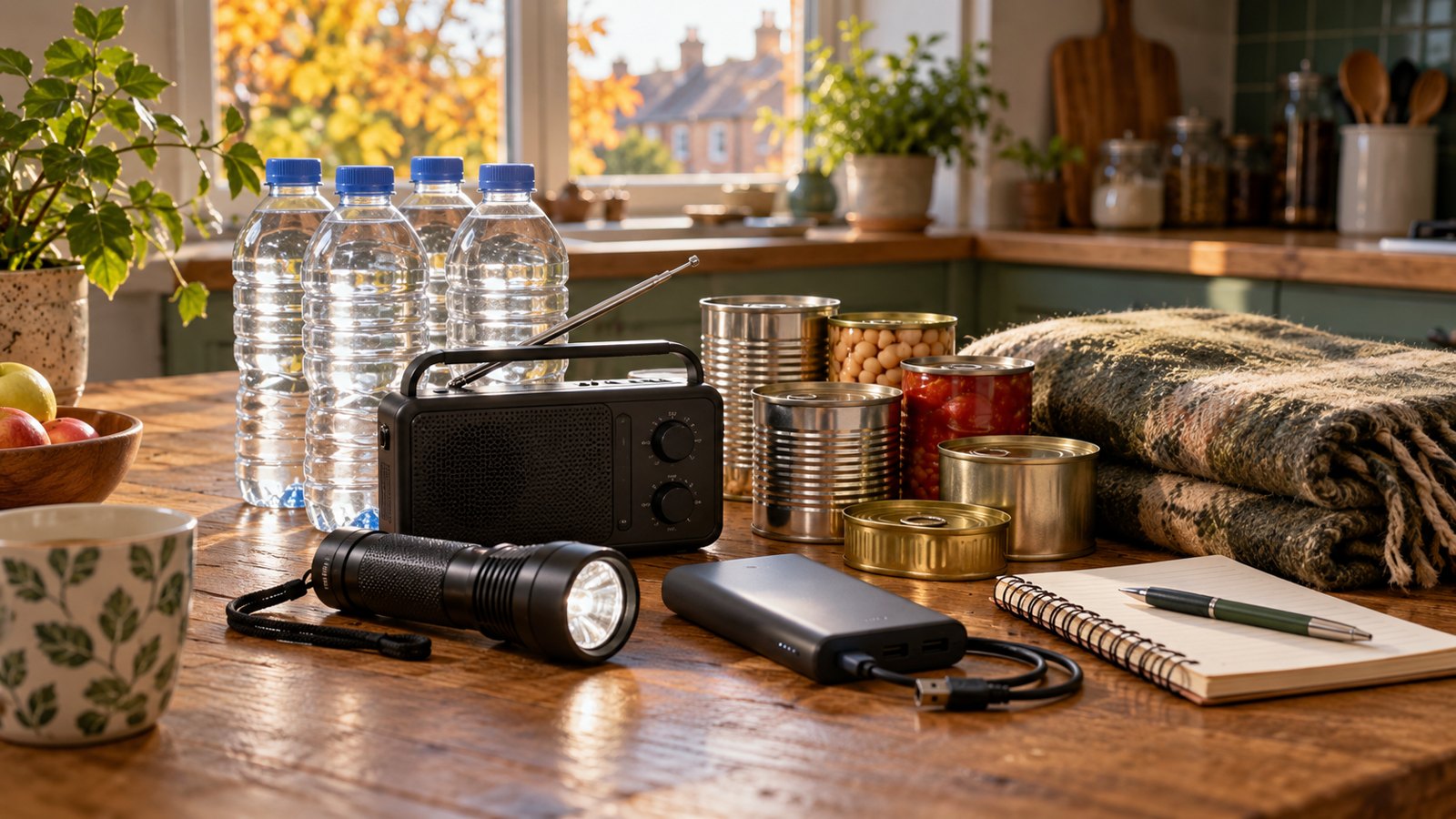
Britain’s Be Ready campaign is moving into its public rollout after the government updated its emergency-preparedness advice on 22 October. Households that can do so are asked to prepare for three days of disrupted services, while eligible residents are encouraged to join the Priority Services Register.
What is new in the campaign
The Cabinet Office describes the launch as the opening stage of a three-year effort. More than 500 organisations have signed up to share its messages, with radio and social-media advertising to follow. Advice for households already existed from May 2024; the government says much of it remains unchanged.
Three days of disruption, rather than a prediction
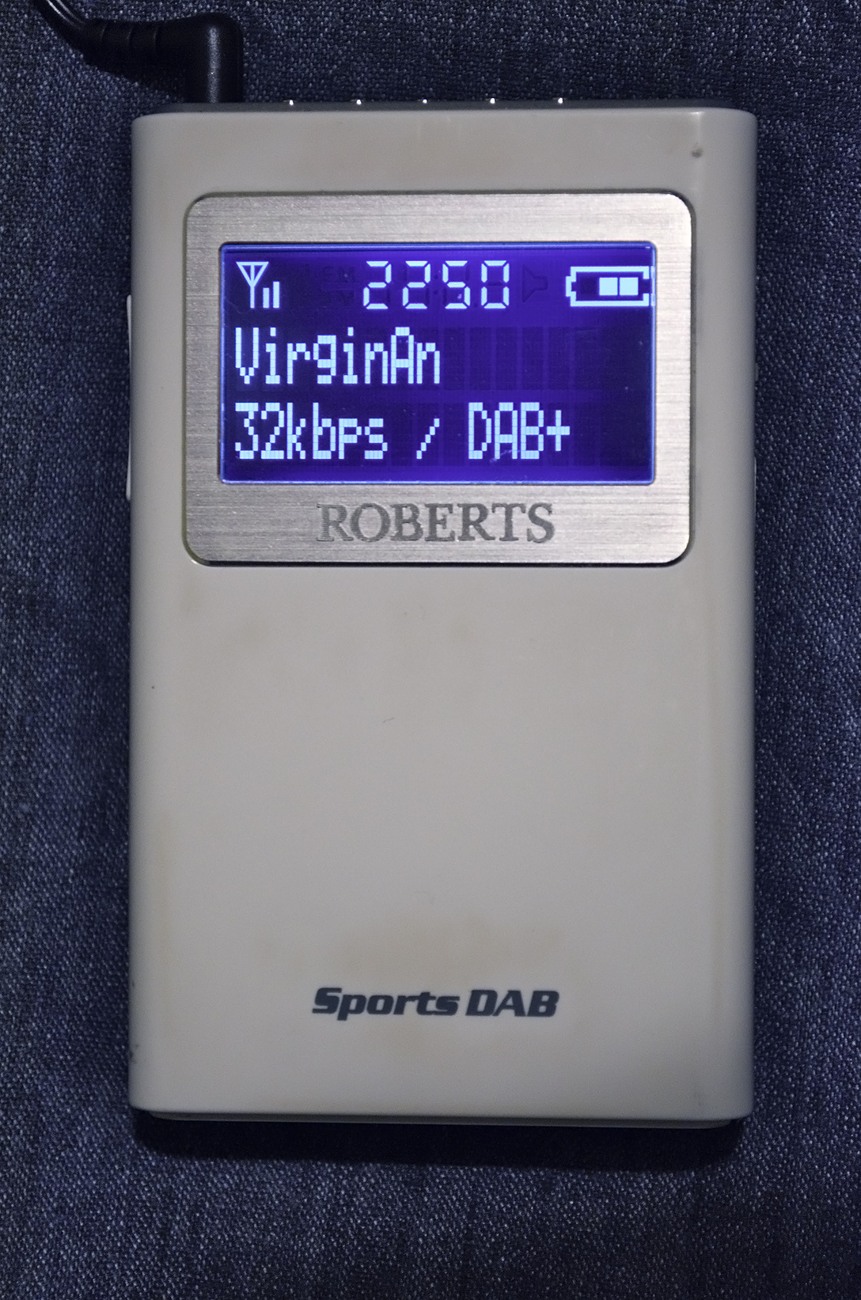
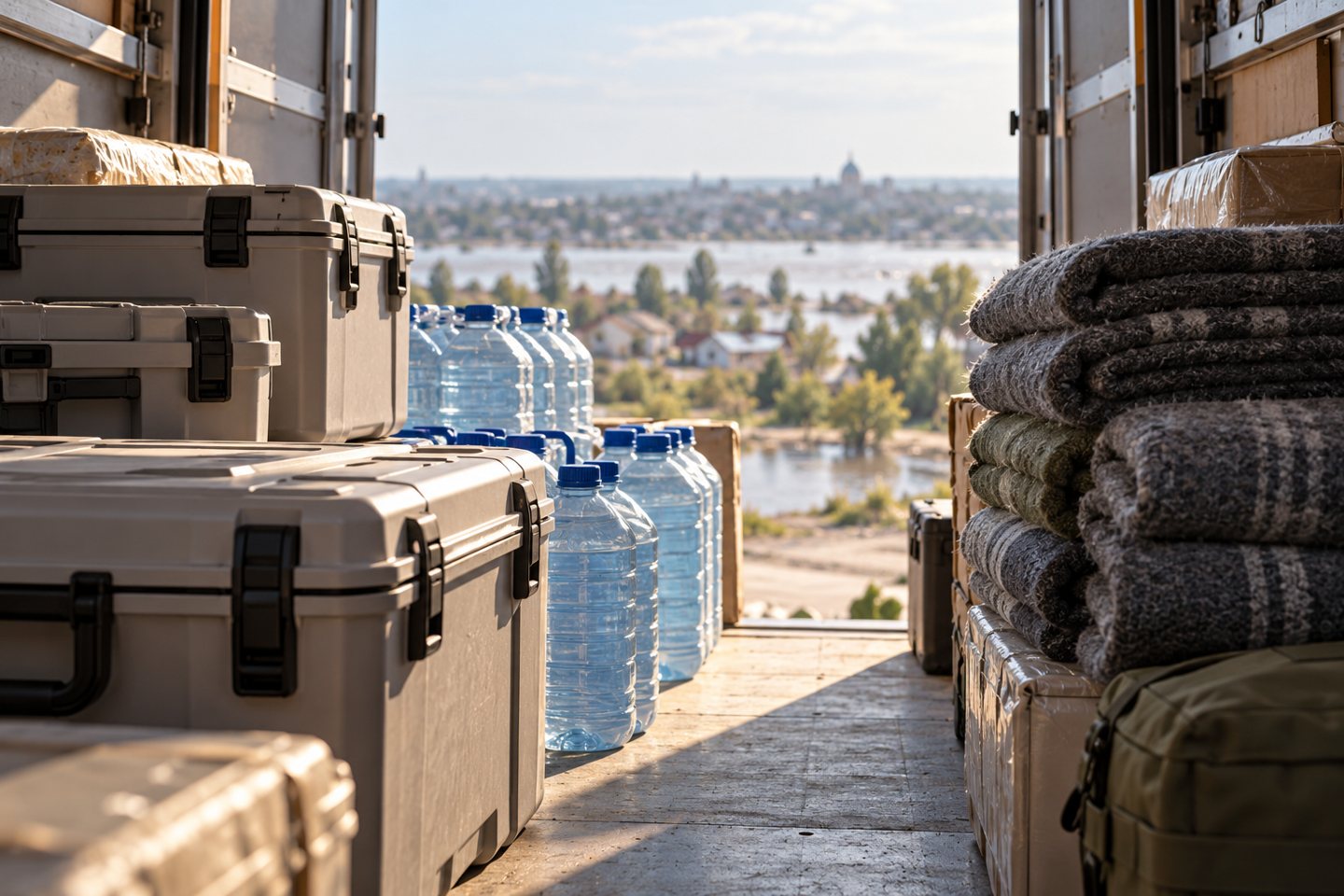
The advice concerns interruptions to electricity, water, phones and internet access during emergencies. Sefton Council’s 23 October explanation lists severe weather, flooding, wildfires and cyber incidents among the possible causes. The campaign is preparedness guidance, not evidence that a specific disaster or attack is imminent.
Who needs extra support
In his written statement to Parliament, Security Minister Dan Jarvis said preparations by households able to act could ease pressure on first responders. He also acknowledged that not everyone can take every suggested step. Utility registers are intended to identify people needing additional help during outages; enrolment does not mean every disruption can be prevented.
The test is whether the message reaches people
The government says the campaign was developed with devolved administrations, councils and community organisations. That makes delivery and accessibility part of the story: a checklist alone cannot establish that people with limited money, insecure housing or additional care needs are protected. The rollout is beginning; its effectiveness has yet to be demonstrated.
Where to check the advice
The official campaign and the ministerial statement provide the current guidance. They should be checked directly for household circumstances, rather than treating alarming social-media claims as new government instructions.
Does Be Ready mean an attack is imminent?
The campaign is general emergency-preparedness guidance covering several types of disruption. Its launch does not establish that a particular attack or disaster is imminent. The distinction matters when reading claims that use the checklist as evidence of a specific threat.
Explore the context
Sources & verification
Sources checked: 23 October 2026